Position : Home > News

23 Years Making Doors – Here’s What I Tell Contractors Who Try to Save a Buck on WPC Customization

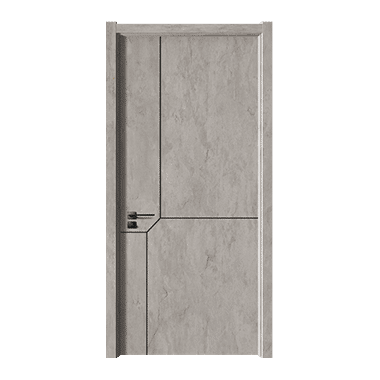
A contractor client working on a hotel project shared his experience with us. He had purchased a batch of Wood-Plastic Composite (WPC) doors from a low-cost supplier—doors that looked truly impressive when he first examined the samples. However, just six months after installation, the doors near the lobby windows suffered severe discoloration, becoming unsightly and mottled. His client was threatening to withhold payment, and he asked me, "What exactly did I overlook?"
I told him bluntly: when making your selection, you prioritized appearance and color over product performance.


1. Before we talk looks, get the material right. WPC is wood flour mixed with PVC – extruded under heat. The magic word is stability.
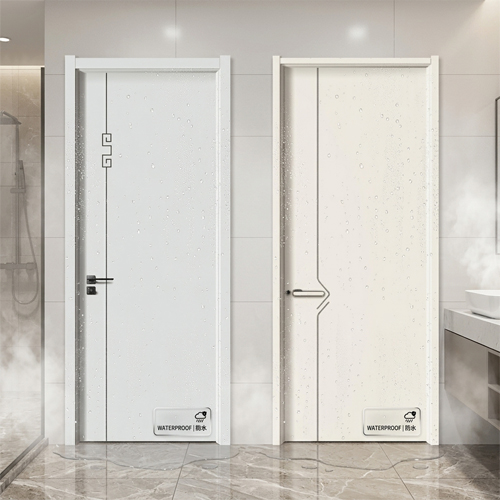
We have supplied countless hotel projects in humid regions. With solid wood doors, the rainy season often causes door frames to swell and warp, while the bottoms turn black with mold—leading to guest complaints about a musty odor. In contrast, WPC is completely impervious to moisture; it does not warp, rot, or succumb to insect damage. For high-traffic areas like office lobbies or hospital corridors—where doors may be slammed open and shut hundreds of times a day—WPC’s impact resistance and dimensional stability far surpass those of hollow-core MDF doors.
I stand behind that as a manufacturer. But– and this is a big but – it all depends on which customization route you pick. Cut corners on the process, and every dollar you saved goes straight into service calls.

2. Foiling / thermal lamination – the volume workhorse.  
This is what most factories push for standard orders. It gives you incredible wood grain realism – oak, walnut, gray brushed. But here’s the dirty secret: the film and adhesive quality vary wildly. I’ve seen recycled film from fly‑by‑night shops bubble and delaminate within a year, edges curling up like potato chips.  
So here’s my dealer‑to‑dealer rule: if you're supplying apartments or boutique hotels and want that premium grain, foiling is fine – but specify film thickness (≥0.16mm) and brand in your contract. Don’t let some salesman swap in cheap stock.

3. Ask any site supervisor what keeps him up at night. Fingerprints, smudges, and scratches that catch the light.
Matte / satin (sheen < 30°) – that’s my default recommendation for 90% of commercial work. It’s not about taste; it’s about hiding the sins. Dust, hand marks, minor scuffs – you barely see them. The janitorial crew can wipe it with a dry cloth and it looks fine. If you’re a dealer quoting office towers or schools, push matte hard. It’ll save you 90% of your after‑sales headaches.
Gloss / high‑gloss (sheen > 70°) – only go there if the designer is chasing a luxury statement. But I warn every contractor: high‑gloss demands a scratch‑resistant topcoat and perfectly flat walls. Because any wave in the drywall will reflect right back at you on that door. And one accidental bump from a floor polisher = permanent scar. If you still choose gloss, budget extra for touch‑up kits and train the cleaning crew on soft cloths only.

4. We used to think texture was only cosmetic. Now I tell dealers: it’s a selling point and a maintenance trap.
Deep embossed wood‑pore textures – those feel like real oak – they scream quality. Hotel guestrooms love that warm, handcrafted vibe. But here's the practical flip side: deeper grooves collect dust. If your project is in a dusty city or a healthcare ward, go for fine linen or satin‑touch – still tactile, but a breeze to wipe clean.
For ultra‑smooth surfaces (think cleanrooms or labs), they’re easy to sanitize but show every fingerprint. Not my first pick for general commercial.
Pro tip for dealers: when you hand a sample to a client, say this – “Deep grain actually hides fine scratches better than smooth, because the lines break up the reflection.” That one line makes you sound like an expert and often closes the deal.

5. I’ll give you the same rules we use in our factory:
- DO lock in matte finish unless the architect forces gloss – you’ll thank me at final inspection.
- DO insist on virgin WPC compound – cut a cross‑section; if it looks greyish or black, that’s recycled scrap with questionable formaldehyde levels.
- DON'T skip the edge‑sealing spec – poorly sealed edges wick moisture in humid zones, even with WPC.
- DON'T order high‑gloss without a site wall‑flatness guarantee – or you'll own the reinstallation cost.


After running a door factory for over the more than twenty years, I’ve learned that dealers and contractors who focus only on price per piece are the ones who lose their shirts on the back end. Smart buyers ask about the process – co‑extrusion or film, what topcoat, how deep the embossing. They know the real value is in a door that still looks good three years later.
Ever been burned by a custom colour that didn't match? Or struggled with gloss doors on a big project? You are welcome to send us a private message sharing your experience. If you wish, we will provide you with free cut-away samples so you can see the internal structure of the WPC doors firsthand—a far more tangible demonstration than any brochure.
You may also like these products
WPC Door
WPC Door
WPC Door Skin
WPC Door Skin
WPC Door Frame
WPC Door Frame
WPC Door Architrave
WPC Door Architrave