Position : Home > News

How to Choose the Right Interior Doors for Large Residential Projects: A Complete Guide for Builders and Developers

When choosing interior doors for a single home renovation, doors may seem like a simple finishing element.
However, for residential developers, construction companies, and wholesale door distributors, interior doors become a much more important part of the entire project system.
In large-scale developments, apartment projects, multi-unit housing, and commercial renovations, hundreds or even thousands of doors may be required. At this stage, an interior door is no longer just a decorative product — it becomes a critical component that affects:
  1. Project consistency 
  2. Installation efficiency 
  3. Fire safety compliance 
  4. Acoustic performance 
  5. Long-term durability 
  6. Property value perception 
  7. Maintenance costs 
A door specification mistake made during the early planning stage can create a chain reaction:
  1. Delayed installation schedules 
  2. Inconsistent interior appearance 
  3. Additional replacement costs 
  4. Difficulty sourcing matching products later 
  5. Increased after-sales problems 
For professional buyers, selecting interior doors is not simply about finding a beautiful design. It requires a complete evaluation of product performance, supplier capability, customization options, and long-term availability.
As an experienced interior door manufacturer, we understand that successful projects require more than supplying doors — they require a reliable manufacturing partner who can support the entire process from design selection to final delivery.

For small renovation projects, changing a door style at a later stage may be relatively simple.
For large residential developments, the situation is completely different.
Once construction plans, wall openings, electrical layouts, fire strategies, and interior finishes are confirmed, changing door specifications can affect multiple areas of the project.
A well-planned interior door solution directly influences:
1. Interior Design Consistency
Doors are one of the most visible elements throughout a property.
A coordinated door system helps create:
  • A unified interior style 
  • Higher perceived property value 
  • Better visual flow between rooms 
  • A more premium buyer experience 
On the other hand, inconsistent finishes, different panel designs, or unavailable replacement options can make even a well-designed property appear unfinished.
2. Project Efficiency and Installation Management
For builders and contractors, installation efficiency is a major consideration.
A reliable interior door supplier should provide:
  • Accurate production specifications 
  • Stable product quality 
  • Consistent dimensions 
  • Professional packaging 
  • On-time delivery 
When hundreds of doors are installed across multiple units, even small quality differences can increase labor costs and installation difficulties.
3. Long-Term Maintenance and Replacement
Professional developers should not only consider the initial installation.
They also need to think about:
  • Future repairs 
  • Replacement availability 
  • Finish consistency 
  • Property management requirements 
A door design that looks attractive today but cannot be reproduced several years later may create unnecessary maintenance challenges.
What Are the Best Interior Doors for Residential Developments? There is no single answer because every project has different requirements.
The ideal interior door solution depends on:
  1. Building type 
  2. Target customers 
  3. Budget level 
  4. Design direction 
  5. Usage frequency 
  6. Local market preferences 
However, successful residential projects usually prioritize doors that offer:
  1. Strong durability
  2. Stable supply availability
  3. Easy maintenance
  4. Flexible design compatibility
  5. Multiple matching options
Popular choices for residential developments include:
Solid core interior doors 
White painted doors 
Oak veneer doors 
Shaker style doors 
Flush interior doors 
Custom-designed project doors 
The most important consideration is not only how the door looks, but whether the supplier can provide a complete and repeatable door system.
One of the most common mistakes made during door selection is choosing a design before understanding the actual project requirements.
Different properties require different door solutions.
A luxury residential development, rental apartment project, student accommodation building, and large family housing project may all require different priorities.
Before selecting a door range, professional buyers should evaluate:

Who Will Use the Property?

Understanding the end user helps determine:
  1. Required durability level 
  2. Design preference 
  3. Privacy requirements 
  4. Maintenance expectations 

How Much Daily Use Will the Doors Experience?

High-traffic properties require doors with:
  1. Strong structural stability 
  2. Durable surface finishes 
  3. Reliable hardware compatibility 
For example:
Rental apartments and hospitality projects usually require stronger resistance to repeated daily use compared with private residential properties.

Are Fire Safety and Acoustic Requirements Important?

Large developments often require specific performance considerations.
Depending on the project, buyers may need:
  1. Fire-rated interior doors 
  2. Acoustic doors 
  3. Solid core constructions 
  4. Matching glazed solutions 
These requirements should be considered before finalizing the product range.

Will the Door Specification Be Repeated Across Multiple Units?

For multi-unit projects, repeatability is essential.
A good door supplier should be able to maintain:
  1. Same color consistency 
  2. Same construction quality 
  3. Same dimensions 
  4. Same design details 
throughout the entire order.
For large projects, choosing individual doors one by one is usually not the most efficient approach.
Experienced developers and contractors often select a complete interior door range that can cover different applications throughout the building.
A professional door collection may include:

Solid Interior Doors

Suitable for:
  1. Bedrooms 
  2. Bathrooms 
  3. Private rooms 
  4. Offices 
Advantages:
  1. Better privacy 
  2. Stronger sound control 
  3. Clean appearance 

Glazed Interior Doors

Suitable for:
  1. Kitchens 
  2. Living rooms 
  3. Hallways 
  4. Areas requiring more natural light 
Advantages:
  1. Improves light circulation 
  2. Creates visual connection between spaces 
  3. Adds design flexibility 

Fire-Rated Interior Doors

Suitable for:
  1. Required safety locations 
  2. Apartment entrances 
  3. Specific building areas 
Advantages:
  1. Supports compliance requirements 
  2. Maintains design consistency when properly matched 

Matching Finishes and Designs Across Different Areas

A coordinated door range allows builders to create different functions while maintaining the same overall design language.
For example:
A modern apartment project may use:
  1. Solid shaker doors in bedrooms 
  2. Matching glazed shaker doors between living areas and hallways 
  3. Fire-rated versions in required locations 
This approach creates variety without making the property feel inconsistent.
For distributors and builders, the supplier behind the product is often more important than the product itself.
A professional interior door manufacturer should provide:

Custom Manufacturing Capability

Including:
  1. Custom sizes 
  2. Surface finishes 
  3. Door styles 
  4. Colors 
  5. Panel designs 
  6. Hardware preparation 

Reliable Production Capacity

Large projects require suppliers who can guarantee:
  1. Stable output 
  2. Consistent quality 
  3. Accurate delivery schedules 

Complete Project Support

From product selection to bulk production, the right manufacturer helps customers reduce procurement risks and improve project efficiency.
A Good Interior Door Solution Must Work Beyond Appearance. For homeowners, an interior door is often considered a design detail.
For builders, developers, architects, and wholesale door distributors, however, interior doors are part of a much larger project system.
When hundreds or thousands of doors are required for residential developments, the biggest challenge is not simply finding a stylish design. The real challenge is selecting doors that can deliver:
  1. Consistent quality across large quantities 
  2. Reliable production and delivery 
  3. Compliance with project requirements 
  4. Long-term durability 
  5. Easy installation 
  6. Future replacement availability 
A visually attractive door that cannot be reproduced, delivered on time, or matched with other specifications can quickly become a problem for large projects.
This is why experienced developers focus on repeatable door solutions rather than individual door designs.
One of the biggest challenges in large-scale residential projects is finding the right balance between design impact and practical repeatability.
A door style needs to look attractive, but it also needs to work across:
  1. Multiple rooms 
  2. Different property types 
  3. Various buyer preferences 
  4. Future maintenance requirements 
For project buyers, the ideal interior door is not necessarily the most unique option. It is a design that creates value while remaining commercially practical.
Popular developer-friendly choices include:

Shaker Interior Doors

Shaker doors remain one of the most popular choices for residential projects because they offer:
  1. Clean architectural lines 
  2. Wide market acceptance 
  3. Compatibility with modern and traditional interiors 
  4. Easy matching with different finishes 
For developers and distributors, shaker doors are attractive because they can serve multiple market segments without appearing outdated.

Oak Interior Doors

Oak finish doors are widely used because they create a premium appearance while maintaining flexibility.
Advantages include:
  1. Natural wood appearance 
  2. Long-lasting visual appeal 
  3. Compatibility with Scandinavian, contemporary, and classic interiors 
For higher-value residential projects, oak doors can improve the perceived quality of the property.

White Interior Doors

White painted doors remain a reliable choice for large developments.
Benefits include:
  1. Bright interior appearance 
  2. Easy coordination with different wall colors 
  3. Broad buyer acceptance 
  4. Easier future replacement 
They are particularly suitable for apartments, rental properties, and large residential communities.
Black Interior Doors: Use Them Strategically
Black doors can create a strong contemporary appearance.
However, for developers, they should be introduced carefully.
Dark finishes may:
  1. Require stronger design coordination 
  2. Show marks more easily 
  3. Limit buyer preferences in some markets 
They are often better suited for:
  1. Premium apartments 
  2. Feature areas 
  3. Show homes 
  4. Selected living spaces 
rather than every room throughout a development.
One common mistake during door procurement is treating fire doors as a last-minute replacement.
For professional projects, fire-rated doors should be considered during the early design stage.
Fire door requirements may apply to:
  1. Apartment entrances 
  2. Garage connections 
  3. Escape routes 
  4. Stairwell areas 
  5. Certain conversion projects 
Exact requirements depend on local building regulations and project conditions.
However, from a procurement perspective, the key point is:
Fire performance and design consistency should be planned together.

Why Fire Door Matching Matters for Developers

Imagine selecting a premium interior door range for a residential project, only to discover later that the same design is unavailable as a fire-rated version.
This can result in:
  1. Different door appearances in the same property 
  2. Additional sourcing challenges 
  3. Delayed installation 
  4. Increased project management complexity 
A professional interior door manufacturer should be able to provide coordinated solutions, including:
  1. Standard interior doors 
  2. Fire-rated doors 
  3. Glazed options 
  4. Matching finishes 
  5. Consistent panel designs 
This allows developers to maintain both safety compliance and visual consistency.
Glazed doors have become increasingly popular in modern residential projects because they help solve a common challenge:
How can a space feel brighter without removing separation between rooms?
Glazed interior doors are especially useful for:

Hallways With Limited Natural Light

They allow light to travel between spaces and prevent corridors from feeling enclosed.

Kitchens and Dining Areas

They create visual connection while maintaining room separation.

Home Offices

They provide openness while keeping the room defined.

Compact Apartments

They help maximize the feeling of available space.
Different projects require different levels of privacy.

Clear Glass

Suitable for:
  1. Living spaces 
  2. Open-plan areas 
  3. Light-sharing applications 

Frosted or Obscure Glass

Suitable for:
  1. Bathrooms 
  2. Home offices 
  3. Private areas 
The key is not adding glass everywhere, but using glazing where it improves the function and experience of the space.
Modern homeowners increasingly value acoustic comfort.
With:
  1. More people working from home 
  2. More open-plan layouts 
  3. Increased apartment living 
sound control has become an important factor in interior door selection.
The construction of the door directly influences acoustic performance.
Generally:

Solid Core Doors

Provide:
  1. Better sound reduction 
  2. Stronger feeling 
  3. Higher durability 
  4. Premium user experience 
Suitable for:
  1. Bedrooms 
  2. Offices 
  3. Bathrooms 
  4. Apartment projects 
  5. Shared living environments 
Hollow Core Doors
Advantages:
  1. Lower cost 
  2. Lightweight 
  3. Suitable for lower-demand applications 
However, they usually cannot provide the same level of:
  1. Sound insulation 
  2. Durability 
  3. Premium feel 
For developers, the decision should not only be:
“Which door costs less?”
The better question is:
“Which door construction matches the value positioning of this project?”
Every project has different expectations.
A budget-focused development may require cost control.
A premium residential project may require stronger materials and better finishing.
  1. Experienced developers evaluate:
  2. Target buyers 
  3. Property positioning 
  4. Expected lifespan 
  5. Maintenance requirements 
A lower-cost door may reduce initial purchasing expenses, but poor quality can create:
  1. Frequent repairs 
  2. Visible wear 
  3. Negative buyer impressions 
  4. Higher maintenance costs 
A professionally manufactured engineered or solid core door often provides better long-term value.
Door finishing is not only about appearance.
It also affects:
  1. Installation time 
  2. Labor costs 
  3. Quality consistency 

Pre-Finished Doors

For large-scale projects, pre-finished doors are often an efficient solution.
Advantages:
  1. Ready for installation
  2. Consistent surface quality
  3. Reduced site labor
  4. Lower finishing risk
They are especially suitable for:
  1. Apartment developments 
  2. Multi-unit projects 
  3. Fast construction schedules 

Primed Doors

Advantages:
  1. Flexible color selection 
  2. Suitable for customized interiors 
However, they require:
  1. Additional painting work 
  2. Strict site quality control 
Unfinished Doors
Advantages:
  • Maximum customization flexibility 
Challenges:
  1. More labor required 
  2. Greater risk of inconsistent finishing 
For large developments, consistency is usually more valuable than maximum flexibility.
Door sizing issues are one of the most common challenges during project installation.
Problems may occur due to:
  1. Existing opening differences 
  2. Renovation conditions 
  3. Uneven walls 
  4. Flooring thickness changes 
  5. Fire door installation requirements 
Before placing bulk orders, professional buyers should confirm:
  1. Door dimensions 
  2. Frame requirements 
  3. Installation tolerance 
  4. Trimming limitations 
A reliable manufacturer should support technical communication before production begins.
Handles, hinges, locks, and accessories significantly influence the final appearance and performance of interior doors.
For large projects, inconsistent hardware choices can reduce the overall quality perception.
Professional specifications should consider:
  1. Handle design 
  2. Finish consistency 
  3. Hinge quality 
  4. Bathroom locks 
  5. Fire-rated hardware compatibility 
  6. Accessibility requirements 
How Hardware Changes Door Appearance
Examples:
  1. Black handles can create a modern industrial look 
  2. Brushed nickel can create a clean contemporary style 
  3. Brass hardware can enhance premium traditional interiors 
The right hardware can upgrade a simple door.
The wrong hardware can weaken an otherwise high-quality specification.
For homeowners, interior doors are often selected based on appearance.
However, for builders, developers, architects, and interior door distributors, doors are an important part of the entire construction and procurement process.
In large residential developments, apartment projects, and renovation programs, interior doors influence much more than interior style. They affect:
  1. Accessibility and daily movement 
  2. Safety and compliance 
  3. Installation efficiency 
  4. Long-term durability 
  5. Property value perception 
  6. Future maintenance costs 
A door specification that looks attractive but fails to consider real project requirements can create unnecessary problems during construction.
Common issues include:
  1. Doors that do not meet accessibility needs 
  2. Designs that cannot be repeated across multiple units 
  3. Unstable supply during different construction phases 
  4. Difficulty matching replacement orders 
  5. Increased installation and maintenance costs 
For professional buyers, selecting the right interior door solution requires a balance between design, performance, manufacturing capability, and supply reliability.
Modern residential projects are increasingly focused on creating spaces that are comfortable and accessible for a wider range of users.
For developers, accessibility should not be considered only as a compliance requirement. It is also an opportunity to create properties that remain functional and valuable for longer.
When selecting interior doors, professional buyers should consider:
  1. Clear opening width 
  2. Door operation and handle usability 
  3. Space required for movement around doorways 
  4. Wheelchair accessibility where required 
  5. Door swing direction 
  6. Floor transitions and thresholds 
  7. Wider circulation areas 
These details may appear small during the design stage, but they have a significant impact on the daily experience of the finished property.
A property that is easier to navigate can appeal to a broader customer base, including:
  1. Young families 
  2. Older homeowners 
  3. People with mobility requirements 
  4. Buyers planning for future living needs 
For developers, this means accessibility is not simply about meeting standards — it is about creating homes that remain practical and desirable over time.
A well-designed interior door system improves:
  1. User comfort
  2. Property flexibility
  3. Market appeal
  4. Long-term usability
Every residential project has its own design identity.
Whether the goal is modern minimalism, traditional elegance, or practical family living, interior doors should support the overall architectural vision.
Professional developers usually select door solutions based on the character of the project.

Traditional Residential Projects

For heritage renovations or classic-style homes, popular choices include:
  1. Panel doors 
  2. Oak interior doors 
  3. Traditional moulding designs 
These options help maintain architectural character while providing modern performance.

Contemporary Apartment Developments

Modern projects often benefit from:
  1. Flush doors 
  2. Shaker-style doors 
  3. White painted doors 
  4. Black interior doors 
These designs create clean visual lines and work well with contemporary interiors.

Family-Oriented Residential Projects

For developments targeting families, buyers usually value:
  1. Durable construction 
  2. Easy maintenance 
  3. Warm finishes 
  4. Timeless designs 
Oak finishes and neutral painted doors are often preferred because they combine practicality with broad market appeal.
A common question from developers is:
“Should every interior door in a project use the same design?”
The answer is not always yes.
The better approach is usually to create a coordinated door system.
For example:
  1. Solid doors for bedrooms and bathrooms 
  2. Matching glazed doors for kitchens and living areas 
  3. Fire-rated versions where required 
This approach allows different rooms to perform different functions while maintaining a consistent visual identity.
For large developments, using a complete interior door range from one manufacturer provides significant advantages:
Easier procurement 
Better design consistency 
Simplified installation 
Lower replacement risk 
For developers and builders, the best door design is meaningless if the supplier cannot deliver consistently.
In large-scale projects, supply reliability is just as important as product appearance.
Before selecting an interior door supplier, professional buyers should confirm:

Product Availability

Can the supplier provide:
  1. Full door ranges? 
  2. Matching glazed versions? 
  3. Fire-rated options? 
  4. Different sizes? 
  5. Replacement products in the future? 

Production Capacity

A reliable interior door manufacturer should have the ability to handle:
  1. Bulk orders 
  2. Repeat production 
  3. Multiple project phases 
  4. Custom specifications 

Delivery Planning

Large construction projects often operate according to strict schedules.
Door suppliers should support:
  1. Planned delivery dates 
  2. Phased shipments 
  3. Accurate packaging 
  4. Project-based order management 
A delay in interior door delivery can affect:
Installation teams 
Painting schedules 
Final inspections 
Project completion dates 
ShengYiFa's annual production about door is more than 250,000 sets. For door skin,more than 3,000,000 pieces. Zhengzhou ShengYiFa have the advanced microwave press, CNC engraving machine, electronic and four-sided saw, edge banding machine and First-class wooden door production lines, with independently developed ERP system, effectively improve production efficiency and ensure product quality. We have hundreds of door designs and colors to meet your different requirements. Customized designs and colors is available to us.  We have strict QC point from raw material to finished products to ensure a good quality. With our creative and responsible engineering team supporting and strong after-sale service, we are ready for establishing a good first-cooperation with you. 

Even experienced project teams can face challenges if door specifications are not carefully planned.
Here are the most common mistakes:
1. Choosing Design Before Understanding Function
A door may look perfect in a catalogue but may not be suitable for the actual application.
Before selecting a style, consider:
  • Privacy requirements 
  • Fire safety 
  • Sound control 
  • Usage frequency 
  • Accessibility 
2. Using Too Many Different Door Styles
Too many designs can make a property feel inconsistent.
Professional developers usually prefer:
  • One coordinated door collection 
  • Different applications based on room requirements 
This creates variety without losing design unity.
3. Ignoring Fire Door Compatibility
A beautiful interior door design can become a problem if matching fire-rated versions are unavailable.
Before final approval, always confirm:
  • Fire-rated options 
  • Matching finishes 
  • Compatible hardware 
4. Underestimating Finishing Requirements
Choosing unfinished or primed doors requires additional labor planning.
Developers should consider:
  • On-site finishing time 
  • Quality control 
  • Labor availability 
For large projects, pre-finished doors are often preferred because they provide:
  • Faster installation 
  • More consistent appearance 
  • Reduced site workload 
5. Treating Hardware as an Afterthought
Handles, hinges, locks, and accessories are part of the complete door system.
The right hardware can improve:
  • Appearance 
  • User experience 
  • Durability 
The wrong hardware can reduce the perceived quality of the entire project.
Before placing a bulk order, developers and builders should confirm:
  1. Door styles required throughout the project
  2. Solid, glazed, and fire-rated door locations
  3. Matching fire door availability
  4. Door sizes and installation requirements
  5. Surface finish selection
  6. Hardware specifications
  7. Glass type and privacy requirements
  8. Accessibility considerations
  9. Production lead time
  10. Delivery schedule
  11. Installation requirements
  12. Future replacement availability
This simple planning process helps reduce:
  1. Construction delays 
  2. Specification changes 
  3. Additional costs 
  4. Quality issues 
For developers, contractors, and distributors, choosing an interior door supplier is not only about purchasing products.
It is about finding a manufacturing partner who can support the entire project.
A professional interior door manufacturer should provide:

Custom Door Solutions

Including:
  1. Door size customization 
  2. Surface finishes 
  3. Panel designs 
  4. Color options 
  5. Material selection 
  6. Hardware preparation 

Stable Manufacturing Capability

Including:
  1. Consistent quality control 
  2. Large-scale production capacity 
  3. Reliable delivery schedules 
  4. Repeat order management 
Complete Product Range
A professional supplier should be able to support different project requirements with:
  1. Painted interior doors 
  2. Oak doors 
  3. Shaker doors 
  4. Flush doors 
  5. Glazed doors 
  6. Fire-rated doors 
  7. Sliding and space-saving door solutions 
For large residential projects, interior doors should never be treated as a final decoration choice.
The right door specification must consider:
  1. Design consistency 
  2. User experience 
  3. Accessibility 
  4. Performance requirements 
  5. Manufacturing capability 
  6. Long-term maintenance 
The most successful projects are not built by choosing the most expensive or most eye-catching doors.
They are built by selecting door solutions that are:
  1. Reliable
  2. Practical
  3. Consistent
  4. Easy to install
  5. Designed for long-term value
By partnering with an experienced interior door manufacturer, builders, developers, and distributors can reduce procurement risks and create residential projects that deliver both aesthetic appeal and lasting performance.
You may also like these products
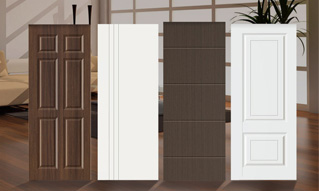
WPC Door
WPC Door
WPC Door Skin
WPC Door Skin
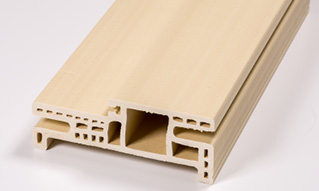
WPC Door Frame
WPC Door Frame
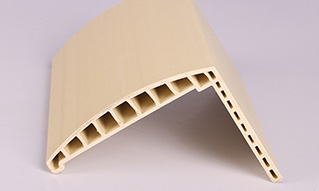
WPC Door Architrave
WPC Door Architrave