Position : Home > News

Neutral vs Statement Internal Doors: How Builders and Distributors Can Choose the Right Door Solution for Residential Projects

For residential developers, builders, and door distributors, selecting interior doors is not only a design decision. It is also a decision that affects project consistency, buyer appeal, installation efficiency, and long-term maintenance.
A door may seem like a small part of an interior space, but in large-scale housing projects, hundreds or even thousands of doors are installed across multiple rooms and units. The wrong specification can create unexpected challenges — from limited buyer appeal and difficult replacements to higher after-sales costs.
That is why many professional buyers choose between two major interior door categories: neutral internal doors and statement internal doors.
Understanding the difference helps developers create interiors that are attractive, practical, and commercially successful.
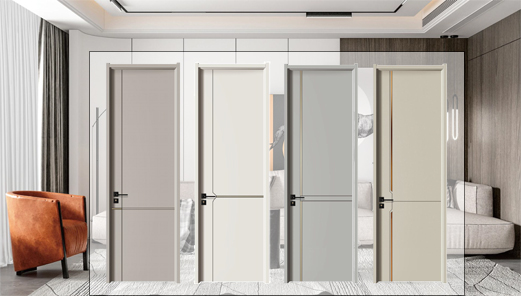
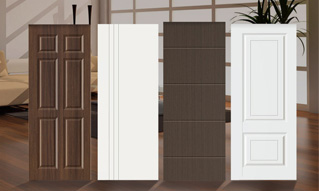
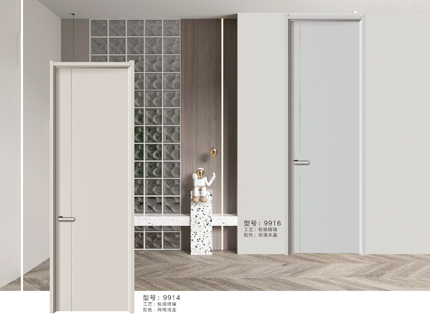
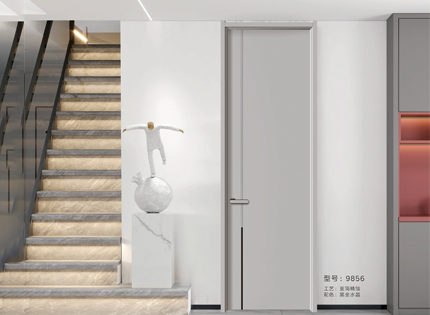
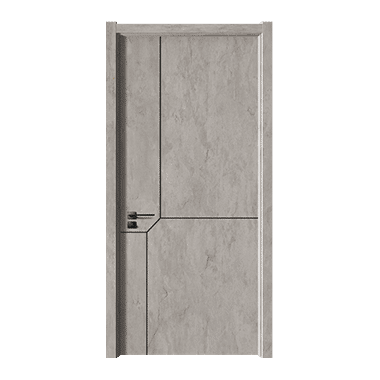
Neutral internal doors are designed to integrate naturally with different interior styles rather than becoming the dominant visual element of a room.
For builders and developers, neutral doors are often considered a safe and strategic choice because they provide maximum flexibility throughout a project.
Common examples include:
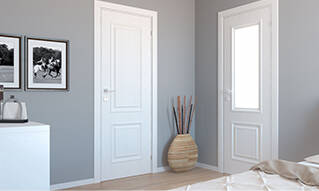
  1. White painted interior doors 
  2. Light oak finish doors 
  3. Simple shaker doors 
  4. Flush doors 
  5. Primed doors ready for painting 
  6. Minimal panel designs with clean profiles 
These doors typically feature:
  1. Simple and timeless designs 
  2. Balanced proportions 
  3. Clean surface details 
  4. Broad compatibility with different interior styles 
However, neutral does not mean ordinary.
A professionally manufactured neutral door can still create strong design value. A natural wood grain finish can introduce warmth, a shaker profile can add architectural character, and a smooth painted surface can create a modern, premium appearance.
The key difference is that neutral doors enhance the overall space without limiting future design choices.
For large residential developments, consistency and market adaptability are critical.
A neutral interior door range allows builders to use the same door system throughout:
  1. Bedrooms 
  2. Bathrooms 
  3. Living rooms 
  4. Hallways 
  5. Storage areas 
  6. Rental properties 
  7. Apartment projects 
This reduces specification complexity and makes procurement easier.
From a developer’s perspective, one of the biggest advantages of neutral doors is that they appeal to a wider buyer audience.
A property buyer may have completely different preferences in:
  1. Furniture style 
  2. Wall colours 
  3. Decoration choices 
  4. Lifestyle preferences 
But a well-designed neutral door rarely conflicts with personal taste.
For example:

White Interior Doors

White doors are widely used because they create a clean and bright appearance. They are especially suitable for apartments or smaller homes where maximizing the feeling of space is important.

Oak Finish Doors

Oak doors provide a natural and warm appearance while maintaining design flexibility. They work well with Scandinavian, modern, traditional, and transitional interiors.

Shaker Style Doors

Shaker doors are one of the most versatile choices because they can create either a classic or contemporary feeling depending on the surrounding finishes.
For builders working on multiple housing units, this flexibility can significantly reduce design risks.

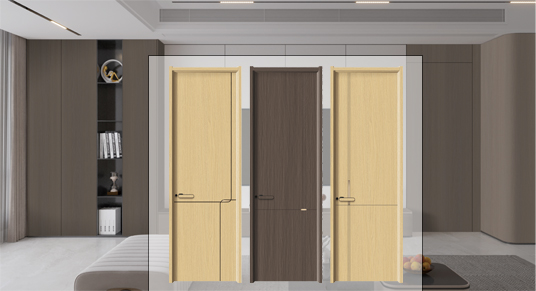
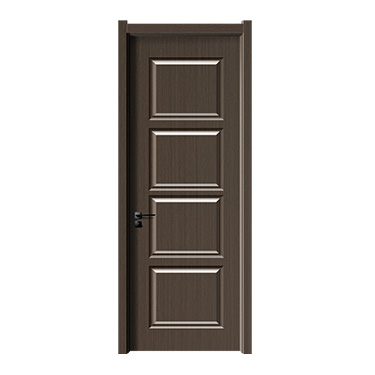
Unlike neutral doors, statement doors are designed to become a visual feature within the interior.
They introduce stronger design elements through:
  1. Dark colours 
  2. Premium wood finishes 
  3. Decorative glazing 
  4. Unique panel designs 
  5. Industrial-inspired styles 
  6. Strong contrasts 
Examples include:
  1. Black interior doors 
  2. Walnut finish doors 
  3. Dark grey painted doors 
  4. Contemporary glazed doors 
  5. Feature doors for entrance areas or key rooms 
Statement doors can help create a more distinctive and premium interior environment.
For luxury developments, boutique apartments, or high-end residential projects, a carefully selected feature door can improve the overall perception of quality.
A well-designed statement door can:
  1. Create a stronger first impression 
  2. Add architectural character 
  3. Improve interior differentiation 
  4. Support premium positioning 
However, there is also a consideration that professional buyers must evaluate.
The Potential Risks of Statement Doors in Commercial Projects
While statement doors can create impressive visual effects, they require careful planning.
A design that is too specific or trend-focused may:
  1. Limit buyer preferences 
  2. Reduce future styling flexibility 
  3. Become outdated faster 
  4. Increase replacement difficulties 
For developers and contractors, every design choice should support the commercial goal of the project.
A statement door should add meaningful value, not simply become a feature that attracts attention but reduces market adaptability.
The best project solutions usually come from finding the right balance between personality and practicality.
Neutral Doors vs Statement Doors: Which Is Better for Your Project?
There is no universal answer.
The right choice depends on:
  1. Project positioning 
  2. Target buyers 
  3. Budget requirements 
  4. Interior design concept 
  5. Construction scale 
  6. Long-term maintenance expectations 
For large residential developments, neutral doors are often the preferred solution because they provide:
  1. Wider market acceptance
  2. Easier bulk purchasing
  3. Consistent installation across multiple units
  4. Lower replacement complexity
  5. Better long-term adaptability
For premium projects, statement doors can be strategically introduced in selected areas to create visual impact.
A common approach among experienced developers is:
  1. Use neutral doors throughout bedrooms and private spaces 
  2. Add glazed or feature doors in kitchens, living areas, or entrances 
This creates design variation while maintaining overall consistency.
Choosing the right door is only part of the process. The reliability of the manufacturer behind the product is equally important.
For distributors and builders, a professional interior door supplier should provide:

Flexible Customization Options

Including:
  1. Door sizes 
  2. Colours 
  3. Surface finishes 
  4. Panel designs 
  5. Hardware preparation 
  6. Packaging solutions 

Stable Production Capacity

Large projects require suppliers who can maintain:
  1. Consistent quality 
  2. Reliable lead times 
  3. Repeat production accuracy 

Complete Door Solutions

From painted MDF doors and shaker doors to flush doors and customized interior door systems, experienced manufacturers help customers select products that match both design requirements and commercial objectives.
For residential developers, contractors, and interior door distributors, selecting the right door system involves far more than choosing an attractive style.
A successful door specification must balance multiple factors:
  1. Building regulations and safety requirements 
  2. Design consistency 
  3. Budget control 
  4. Supply reliability 
  5. Installation efficiency 
  6. Long-term maintenance 
  7. Buyer expectations 
Many project delays and specification problems happen because doors are selected based only on appearance without considering availability, performance requirements, and future replacement needs.
As an experienced interior door manufacturer, we understand that every project requires a door solution that can combine visual appeal with commercial practicality.
The best door is not always the most expensive or the most eye-catching. It is the one that supports the entire project lifecycle.
When planning residential developments, fire-rated doors are one of the most important technical considerations that must be evaluated early.
Depending on the project type, fire doors may be required in locations such as:
  1. Apartment entrance doors 
  2. Escape routes 
  3. Garage access areas 
  4. Multi-unit residential buildings 
  5. Converted properties 
  6. Specific high-risk areas 
The exact requirements vary according to local building regulations, property structure, and fire safety strategies.
For developers and contractors, the key challenge is not only meeting fire safety standards — it is ensuring that fire-rated doors also match the overall interior 
One common mistake during project planning is selecting an attractive interior door first and checking fire-rated options later.
This can create problems when:
  1. The same design is unavailable as an FD-rated door 
  2. Glazed versions cannot meet required specifications 
  3. Certain sizes or finishes cannot be produced 
  4. Replacement doors become difficult to source 
For example, a statement black interior door or premium glazed door may look impressive in marketing materials, but if matching fire-rated versions are unavailable, the project may end up with inconsistent designs throughout the building.
This creates unnecessary challenges for:
  1. Architects 
  2. Contractors 
  3. Installation teams 
  4. Future property managers 
A professional door supplier should help developers confirm:
  1. Standard door availability
  2. Fire-rated options
  3. Matching glazed solutions
  4. Custom size capability
  5. Long-term replacement support
before the final specification is approved.
For large-scale developments, neutral interior doors often provide greater flexibility because they are more commonly available across multiple performance categories.
A well-developed neutral door collection may include:
  1. Standard internal doors 
  2. Fire-rated doors 
  3. Glazed doors 
  4. Different sizes 
  5. Multiple finishes 
This makes it easier for developers to maintain a consistent visual identity throughout the project.
For example:
A white shaker door range can often be adapted across:
  1. Bedrooms 
  2. Bathrooms 
  3. Hallways 
  4. Living spaces 
  5. Fire-rated locations 
without creating noticeable design differences.
From a procurement perspective, this reduces complexity and helps prevent costly specification changes.
Price is always an important factor when purchasing interior doors, but experienced developers know that the lowest purchase price does not always create the lowest project cost.
A more complete evaluation should include:
  1. Product cost 
  2. Shipping efficiency 
  3. Installation time 
  4. Replacement availability 
  5. Maintenance requirements 
  6. Supply stability 
Neutral door systems are often more commercially efficient because they usually offer:
1. Easier Bulk Production
Manufacturers can produce standardized designs more efficiently, which helps improve:
  • Production scheduling 
  • Quality consistency 
  • Delivery reliability 
2. Better Repeatability Across Multiple Units
For apartment projects or housing developments, using the same door range across many units simplifies:
  • Ordering 
  • Installation 
  • Inventory management 
  • Quality inspection 
3. Lower Replacement Risk
If future maintenance is required, commonly used finishes such as:
  • White painted doors 
  • Oak finishes 
  • Standard shaker designs 
are generally easier to reproduce.
This is especially important for:
  • Rental properties 
  • Large residential communities 
  • Long-term property management projects 

Statement doors can create stronger visual impact, but they should be used strategically.
A premium door specification can add value when it improves important customer touchpoints.
For example:
A feature glazed door between a kitchen and dining area can:
  1. Increase natural light flow 
  2. Create a premium feeling 
  3. Improve the first impression of the property 
A dark feature door in an entrance hallway can:
  1. Add architectural character 
  2. Create a stronger design identity 
However, installing expensive statement doors in every location may not provide equal value.
A bold design inside a small storage room or utility area rarely improves buyer perception.
The key question for developers should be:
“Where will this door create measurable value?”
Instead of choosing one door style for every area, professional developers often use a room-based approach.
Different spaces have different functional requirements.

Bedrooms: Prioritize Privacy and Broad Appeal

Bedrooms usually benefit from neutral solid doors.
Advantages include:
  1. Better privacy 
  2. Timeless appearance 
  3. Wider buyer acceptance 
  4. Easier furniture matching 
Popular choices include:
  1. White shaker doors 
  2. Flush painted doors 
  3. Oak veneer doors 
Bathroom doors need to consider:
  1. Humidity exposure 
  2. Privacy 
  3. Durability 
  4. Easy maintenance 
Neutral solid doors are often preferred because they create a clean and practical appearance.
For humid environments, developers should also consider door materials and finishes designed for moisture resistance.

Kitchens and Living Areas: Opportunity for Design Impact

Shared spaces are where statement elements can create the greatest value.
Options include:
  1. Glazed interior doors 
  2. Dark accent finishes 
  3. Premium wood grain doors 
  4. Decorative panel designs 
These areas influence buyer impressions more strongly than functional spaces.

Hallways: Maintain Visual Consistency

Hallways often contain multiple doors visible at the same time.
A consistent door style helps create:
  1. A cleaner appearance 
  2. Better visual flow 
  3. A more premium feeling 
Too many different door designs can make a property feel fragmented.

Utility Rooms and Storage Areas: Keep It Practical

For functional spaces, simplicity usually delivers better value.
Neutral doors are often the most practical solution because they:
  1. Reduce visual clutter 
  2. Lower specification costs 
  3. Maintain consistency 
Interior doors are not just decorative elements. For builders, developers, and distributors, they are part of a complete project strategy.
Neutral doors provide flexibility, efficiency, and broad market appeal. Statement doors create identity and premium visual impact.
The most successful residential projects are not built around choosing one over the other — they are built around selecting the right door solution for the right application.
As an experienced interior door manufacturer, we help global partners develop door collections that balance design, performance, customization, and commercial value.
You may also like these products
WPC Door
WPC Door
WPC Door Skin
WPC Door Skin
WPC Door Frame
WPC Door Frame
WPC Door Architrave
WPC Door Architrave